
Shopping Cart
There are no more items in your cart
Behind many of the most beautiful hair accessories is not only a design, but a material. At MC Davidian, that material is often cellulose acetate: a refined, durable and comfortable medium that allows shape, colour, polish and detail in a way ordinary plastic rarely can.
Used in premium eyewear and high-end fashion accessories, cellulose acetate has long been valued for its depth, softness to the touch, and ability to take on elegant curves without losing strength. For hair accessories, these qualities matter. A headband must sit comfortably. A comb must keep its shape. A clip must feel secure, smooth and pleasant to wear.
This is why cellulose acetate remains one of the defining materials of the MC Davidian universe. It supports both craftsmanship and creativity, while offering a more noble feel than mass-market injected plastic.
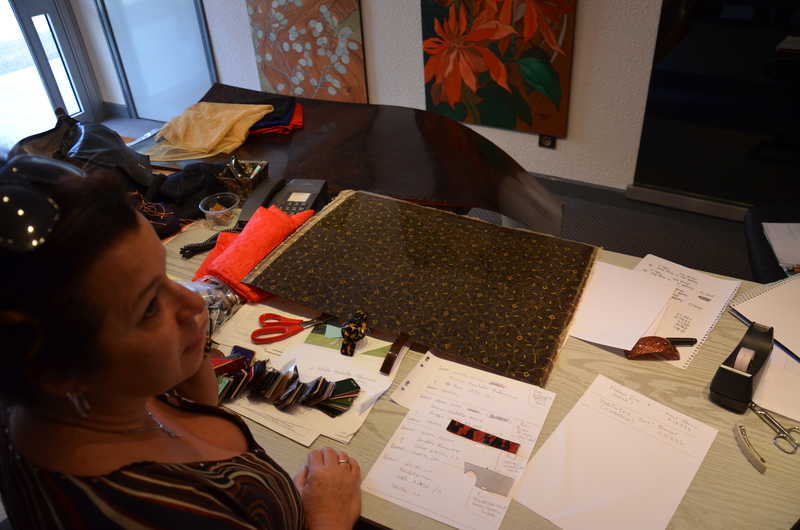
Quick summary
- Cellulose acetate starts from plant-based cellulose
- It is chosen for comfort, richness of colour and elegant shaping
- It supports French craftsmanship, polishing and decorative finishing
- It is one of the key materials behind many MC Davidian accessories
What Is Cellulose Acetate?
Cellulose acetate is a material derived from cellulose, the natural structural substance found in plant fibres. In industrial practice, the purest cellulose is commonly taken from wood pulp or cotton linters, then transformed into cellulose acetate through a controlled process. The result is a material that combines a plant-based origin with the flexibility, polish and shaping potential required for premium objects.
For fashion accessories, cellulose acetate is prized because it is smooth, visually rich, pleasantly warm to the touch, and capable of being cut, curved and polished with remarkable precision. It can also carry colour beautifully, from deep tortoiseshell tones to luminous solids, marbled effects and more elaborate decorative compositions.
At MC Davidian, this makes it especially suited to headbands, combs, barrettes, elastics and hair clips that are meant to be both elegant and wearable.
A Short History of Cellulose Acetate
Cellulose acetate emerged in the second half of the 19th century, when chemists began exploring ways to transform cellulose into new workable materials. The acetylation of cellulose was identified in 1865, and important industrial developments followed in the 1890s. In the early 20th century, cellulose acetate gained importance because it offered a safer alternative to more flammable cellulose-based materials and was used in film, fibres and a range of molded or machined objects.
Over time, it became especially associated with premium uses where appearance, gloss, colour depth and touch mattered: photographic film, luxury objects, spectacle frames and fashion accessories. That long history is part of what still makes cellulose acetate feel special today. It is not a disposable novelty material. It is a material with heritage.
Historical milestones
- 1865: cellulose acetylation identified by Paul Schutzenberger and Laurent Naudin
- 1894: Cross and Bevan patent an industrial process
- Early 20th century: cellulose acetate expands into film, fibres and molded goods
- Later: it becomes a benchmark material for premium eyewear and fashion accessories
How Cellulose Acetate Is Made
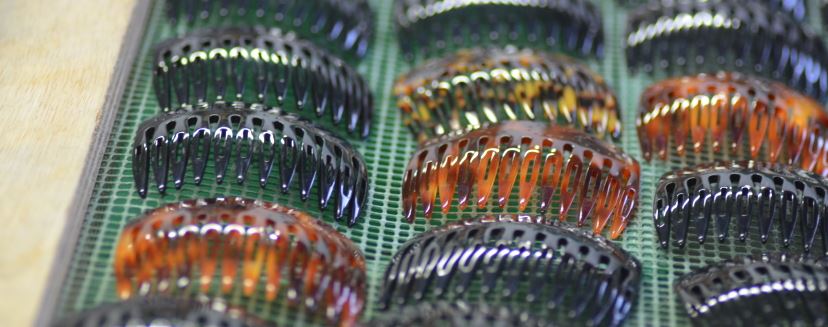
In simple terms, the process begins with the extraction of purified cellulose from renewable sources such as cotton linters or selected wood fibres. This cellulose is then transformed into cellulose acetate, which can be turned into a workable base material.
From there, the material is combined with carefully chosen plasticizers and stabilizing elements to give it the right balance of flexibility, toughness, workability and colour performance. It can then be formed into sheets or plates, which are later cut, shaped, heated, curved, polished and finished according to the intended product.
For a brand like MC Davidian, this is where the material becomes truly interesting. Cellulose acetate is not valuable only because of its composition, but because of what it allows: graceful bends, comfortable curved headbands, polished surfaces, complex decorative motifs, rich colours and refined finishing work.
From source to finished accessory
- Cellulose is selected from cotton linters or wood-based sources
- It is transformed into cellulose acetate
- The material is blended for flexibility, stability and colour
- Sheets or plates are prepared for cutting and shaping
- The parts are cut, bent, polished, assembled and decorated
- The final accessory is finished by hand or by workshop techniques depending on the model
Why MC Davidian Chooses Cellulose Acetate
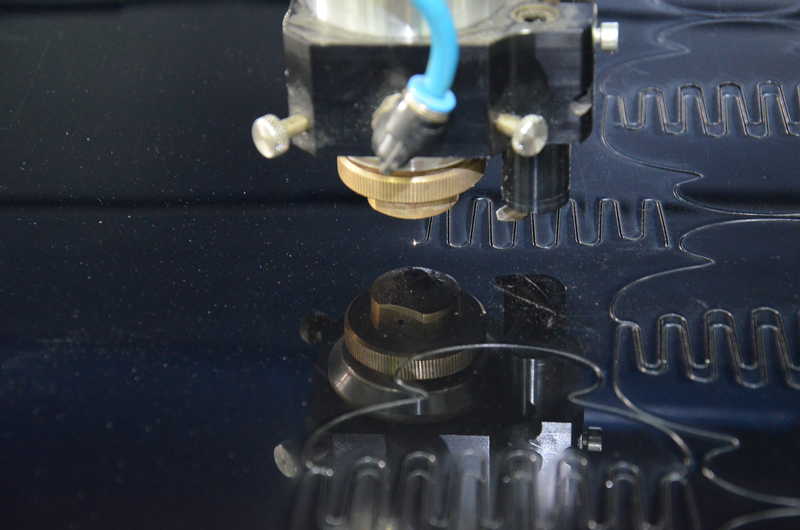
Not every hair accessory material offers the same result on the head, in the hand, or over time. MC Davidian uses cellulose acetate because it supports the level of finish, comfort and visual richness expected from handmade French accessories.
1. It feels better than ordinary plastic
Cellulose acetate has a smoother, warmer and more refined feel than many mass-market plastics. On a headband or clip, this changes the experience immediately. The accessory feels less harsh, more elegant, and more in harmony with the body.
2. It allows beautiful shaping
Because cellulose acetate responds well to shaping and finishing, it can be curved, bent and adapted into forms that matter for hair accessories: comfortable headbands, strong combs, curved barrettes, sculptural clips and decorative details that do not look flat or cheap.
3. It carries colour and pattern exceptionally well
One of the great beauties of cellulose acetate is its visual depth. It can appear luminous, marbled, transparent, tortoiseshell-like, glossy, understated or richly decorative depending on the design. This makes it ideal for a brand universe built around style, motif and seasonal variation.
4. It supports premium craftsmanship
MC Davidian is not built on anonymous industrial sameness. The brand works in a world of sketches, cut shapes, hand-finishing, curated colours, decorated surfaces and artisanal detail. Cellulose acetate is one of the materials that makes this universe possible.
5. It supports longevity and repair
A good accessory should not feel disposable. Cellulose acetate is appreciated not only for its beauty, but also for its durability in everyday use. When properly cared for, it keeps its elegance for years, and in some cases it can also be repaired more easily than lower-grade materials.
From Material to French Savoir-Faire
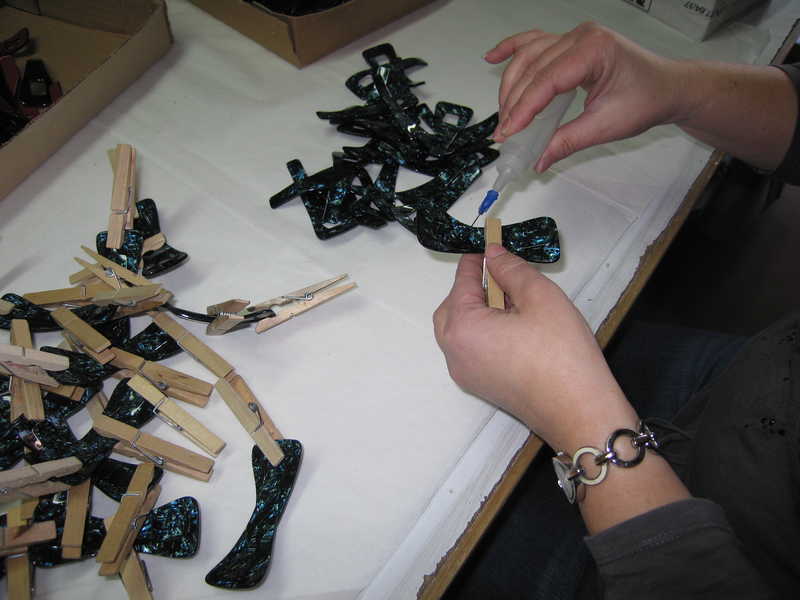
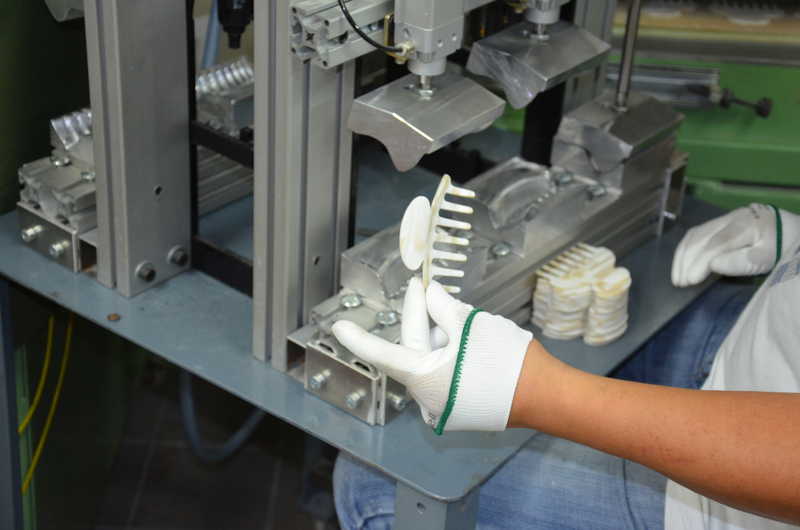
At MC Davidian, the material is only the beginning. What gives cellulose acetate its full value is the way it is worked. Design, cutting, bending, polishing, assembling and decorating all shape the final result. This is where the difference between a simple accessory and a truly refined one becomes visible.
The brand's world is rooted in French fashion sensibility and workshop culture. Over the years, MC Davidian has developed a recognizable language of forms, colours, rhinestone work, floral motifs, animal themes, classic lines and sculptural ornaments. Cellulose acetate is one of the core materials that allows these ideas to become wearable objects.
Some pieces remain simple and timeless. Others become highly decorative through the addition of fabrics, crystals, metallic components or hand-finished details. In both cases, the material contributes to the elegance of the final shape.
Design
Sketches, motifs and proportions define the first life of the accessory.
Cutting and shaping
The material is cut and curved to reach comfortable, wearable forms.
Polish and brightness
Finishing work brings depth, softness and the final premium look.
Decoration
Crystals, fabrics and details enrich the final accessory without losing elegance.
Is Cellulose Acetate Eco-Friendly?
This question deserves a nuanced answer. Cellulose acetate is often presented as a more responsible alternative to ordinary petroleum-based plastic because its starting point comes from plant-derived cellulose and because it can offer greater longevity and repairability in well-made objects.
But the real value of the material, especially in the world of premium accessories, lies not only in a simplified ecological claim. It lies in a combination of factors: renewable-source origin, long-term wear, comfort, reparability, and compatibility with products designed to be kept rather than quickly discarded.
In other words, cellulose acetate makes the most sense when it is used well. In a carefully made French accessory, designed to last and remain desirable over time, it becomes a far more meaningful material than low-grade disposable plastic.
Cellulose Acetate Across the MC Davidian Collections
If you want to see what cellulose acetate looks like in practice, the best approach is to explore it across different accessory families. The material does not express itself in only one way. In a headband, it brings comfort and line. In a comb, it brings grip and elegance. In a clip, it becomes structure and polish. In a barrette, it becomes both function and ornament.
Frequently Asked Questions
What is cellulose acetate?
Cellulose acetate is a material derived from plant-based cellulose, usually from cotton linters or wood pulp, then transformed into a workable premium material used in products such as eyewear and hair accessories.
Why does MC Davidian use cellulose acetate?
Because it offers comfort, visual depth, elegant shaping potential, refined touch and strong compatibility with French craftsmanship and decorative finishing.
How is cellulose acetate made?
Purified cellulose from cotton linters or wood fibres is transformed into cellulose acetate, then blended for flexibility and stability. The material is formed into sheets that can be cut, heated, curved, polished and finished for premium accessories.
Is cellulose acetate made from petroleum?
No. Cellulose acetate does not begin with petroleum as its main raw material. It starts from plant-derived cellulose, usually from wood pulp or cotton linters. In that sense, its origin is biological, then the material is transformed through a controlled industrial process into a refined material for premium accessories.
Is cellulose acetate good for hair accessories?
Yes. It is widely appreciated for comfort, visual depth, shaping ability and long-term elegance, which makes it especially suitable for headbands, combs, clips and barrettes.
Can cellulose acetate accessories last for years?
Yes. When the accessory is well made and properly cared for, cellulose acetate can remain elegant and wearable for many years.
Where can I discover MC Davidian cellulose acetate accessories?
You can begin with the headbands, hair combs, hair clips and wider hair accessories collections, or explore the magazine to understand more about the brand's materials and savoir-faire.
Discover the Material Behind the Elegance
Explore handmade French hair accessories shaped in cellulose acetate and designed to combine comfort, durability and timeless style.